
RIVER RAFTING
Glacial Blues & Ancient Views
It’s the color of glacial melt – icy, turquoise and impossibly pure. There is a particular hue of blue that you only find in the Himalayas. In Bhutan, you don’t just stare at this water; you float on it. Rafting here isn’t about beating the river into submission; it’s enveloping the landscape. Suddenly, you are paddling furiously into the boiling maw of a foaming Class III rapid, your face cold from spray.
Then the river broadens, the roar subsides and you are gliding soundlessly along past the towering walls of Punakha Dzong, getting a view of the 17th-century fortress that trekkers, drivers and just about everyone else who comes here never see. It is a soft adventure, yes. Yet it is also nothing but pure, still meditation.
There are two rivers that come together in the Punakha valley. Which one calls to you?
The Female River
The Vibe: Gentle, Scenic, Welcoming.
Difficulty: Class I-II (Beginner & Family Friendly).
The Story: This is the river for dreamers. The rapids run with playful ripples instead of crushing waves, so it’s great for families (kids 7+), first-timers or anyone who would rather stare at the scenery over their sneaker-clad toes than paddle!
The Magic Moment:
The last part of the walk passes directly under the cantilever bridge of the Punakha Dzong. Not if you’ve dropped entirely below those wooden beams dating back to Viking times, anyway, and monks look down on you from the upper walkways.
The Male River
The Vibe: Restless, Noisy, Thrilling.
Difficulty: Class II – III+ (Active Adventure).
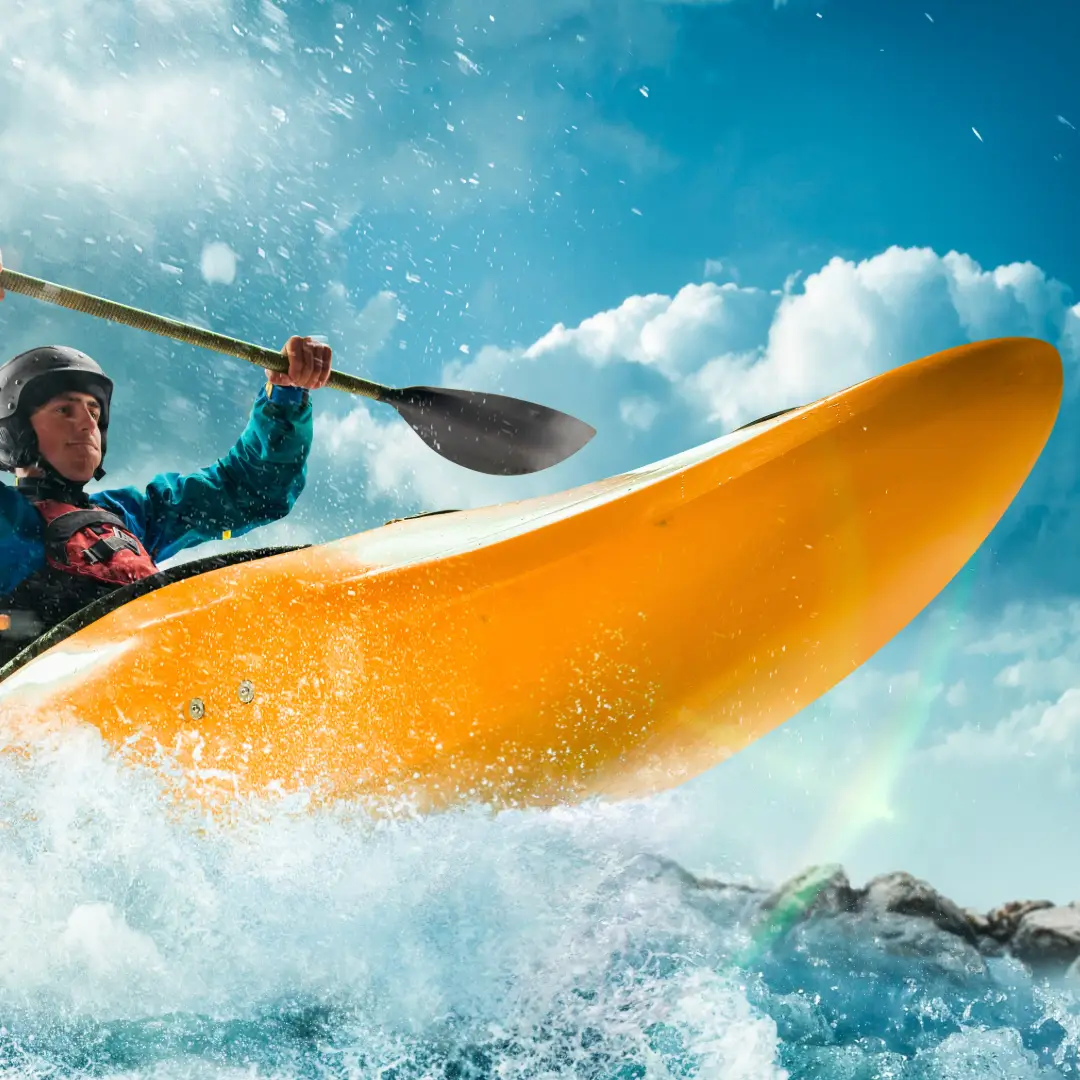
The Story: The Po Chhu is a river that just won’t be ignored. It meanders through a rugged valley with bigger boulders and sharper drops. You’ll need to listen to your guide, stay in sync with your paddling, and yes – you will get wet.
The Magic Moment:
Running through the heavier rapids that are upstream in a wild, uninhabited valley while viewing multi-coloured kingfishers darting from one end of the foam to another.
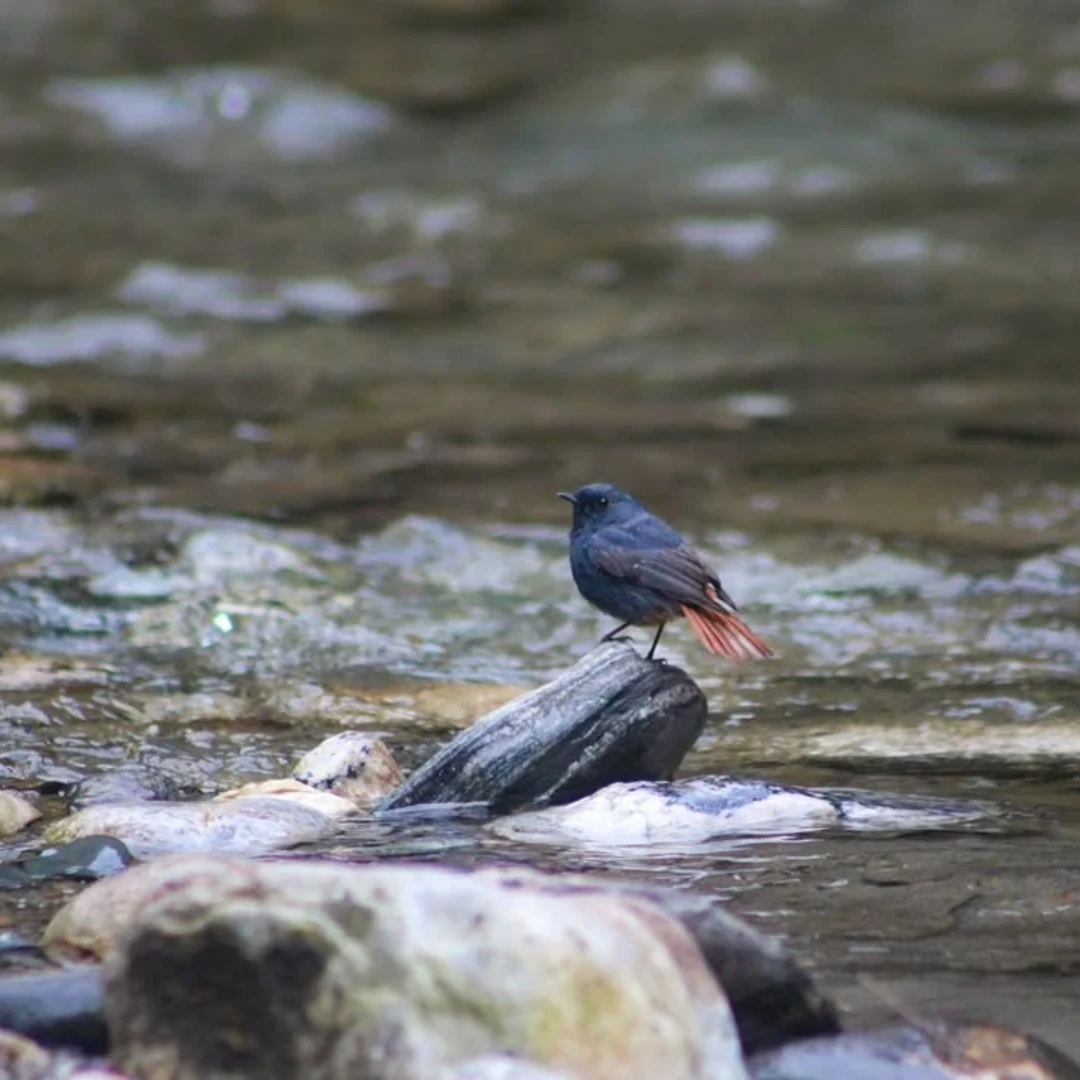
What guide books tend to forget are the animals. Bhutan’s riverbanks are protected zones. But when the guides stop paddling through the calm sections, watch those trees.
The White-Bellied Heron:
Among the scarcest birds on earth. One of their last sanctuaries is in the riverbeds around Punakha.
Cormorants & Kingfishers:
Streaks of neon blue and slick black hunting with your raft.
The Sound of Nothing:
No highway hacking. No engines. Only the slap of water on the raft and wind in the pine trees.
When to Go:
For that gorgeous water color, timing is everything.
The Sweet Spot (March-April & Oct – Nov):
The water is clear turquoise. The weather in Punakha is sunny and warm (T-shirt conditions!).
Monsoon (July – Aug):
Rivers rage brown and angry. Typically we shut down operations for safety.
When to Go:
On the Raft:
Quick-dry shorts and a synthetic t-shirt. Don’t use cotton (it gets cold when it’s wet).
Footwear:
Strap on sandals (tevas/chacos) or old sneakers. Flip-flops are going the way of the river gods within 5 minutes.
Sun Protection:
The Himalayan sun bounces off the water. Sunscreen and sunglasses (w/ strap!) are non-negotiable.
At Y Not Bhutan, we think the best way to get to know Bhutan is with your feet wet- literally. We work with the area’s most experienced, safety-certified river guides who will make your ride both safe and spectacular.