
FOOD
A Culinary Journey through the Kingdom of Happiness
Bhutan is known for its stunning mountains and peaceful spirituality, but it also has an exciting and delicious cuisine. Bhutanese food is rich and flavourful and is based on history, tradition, and high altitude farming.Bhutanese cuisine gives you a taste of the country, its way of life, and is infused with the values of Buddhism. Bhutan’s culinary offerings combine hot, spicy, soup-like stews, creamy cheeses made from yak milk, and hearty grains such as barley and wheat. Let us help you discover the culinary treasures of Bhutan!
Staples of the High Himalayas
THE NATIONAL DISH
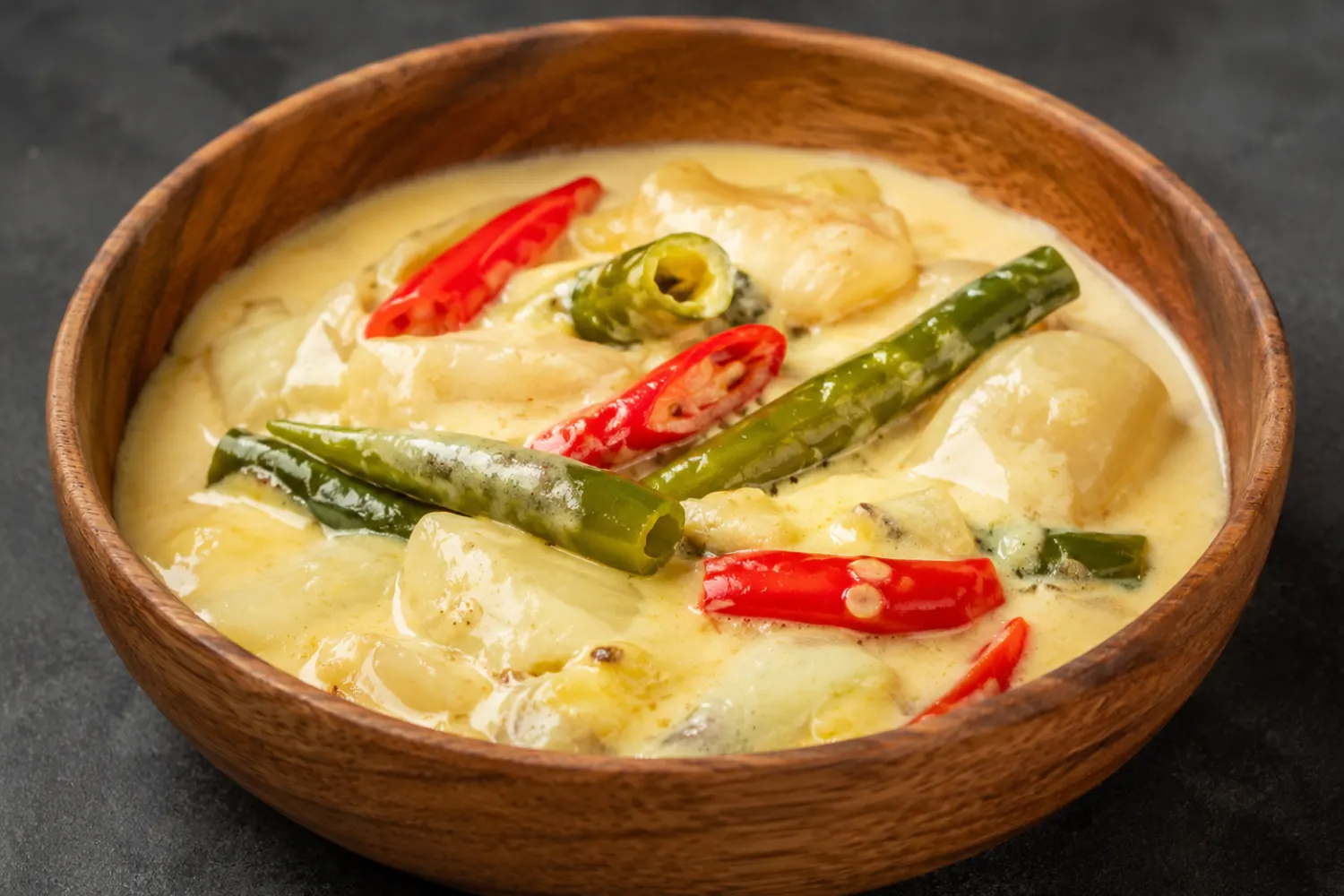
Ema Datshi must be enjoyed when in Bhutan. It is the best spicy Cheese Stew and a great comfort food for culture seekers. Ema Datshi is present at almost every mealtime in Bhutan.
Variations: You could try Kewa Datshi (potatoes) or Shamu Datshi (mushrooms) as milder, creamier alternatives for Ema Datshi.
HIMALAYAN COMFORT
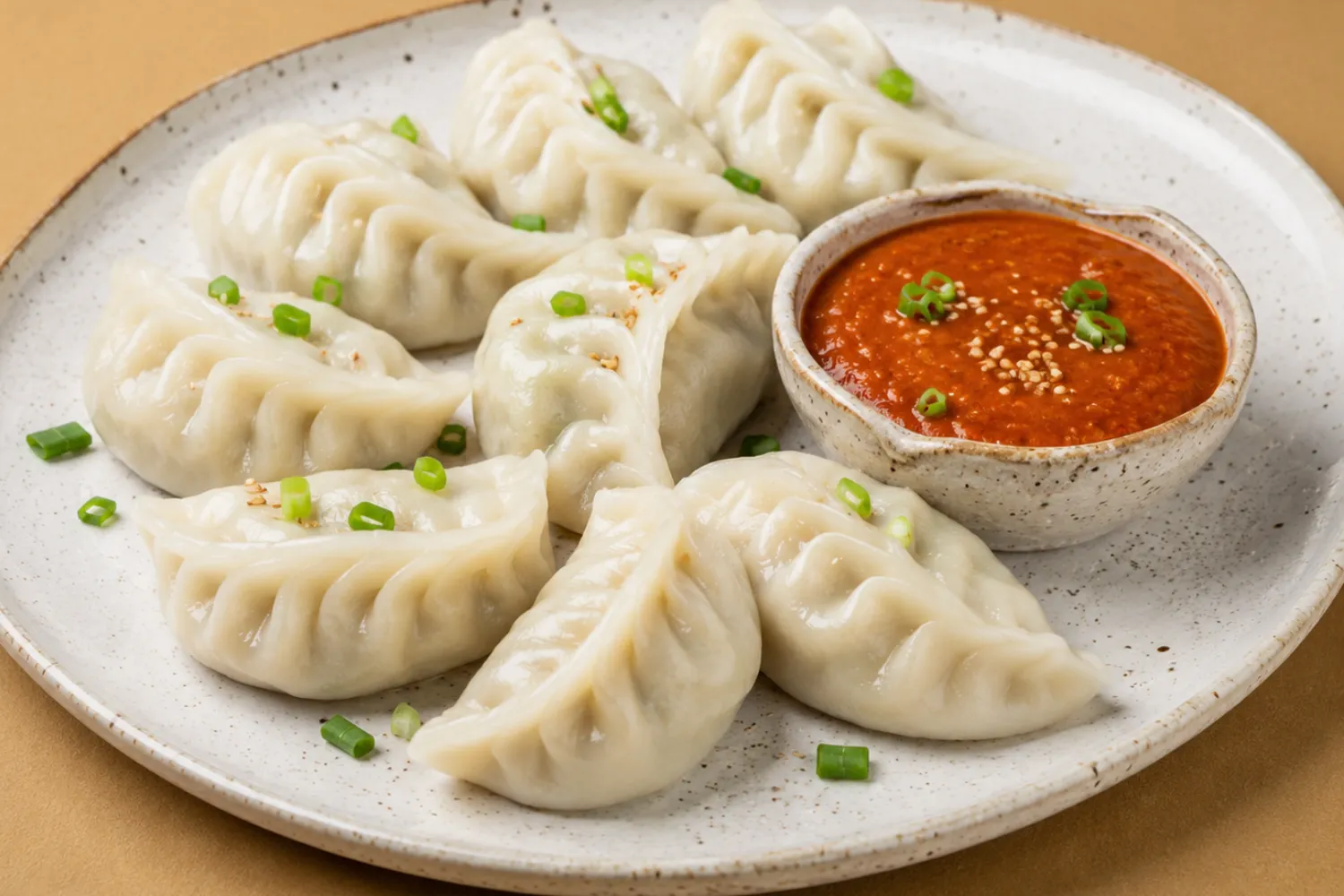
Momos are steamed or fried dumplings made locally. They can be filled with meat, cheese, or vegetables and served with a spicy sauce called Ezay (spicy chilies). Momos can be the perfect way to escape the mundane routine of your life.
REGIONAL SPECIALTIES
Hoentay – A Haa Valley Specialty: Hoentay are rare buckwheat dumplings that have turnip greens, Amaranth (a seed), and cheese in the filling. Hoentay is only found in the Haa Valley, a great dish to sample at the Haa Summer Festival.
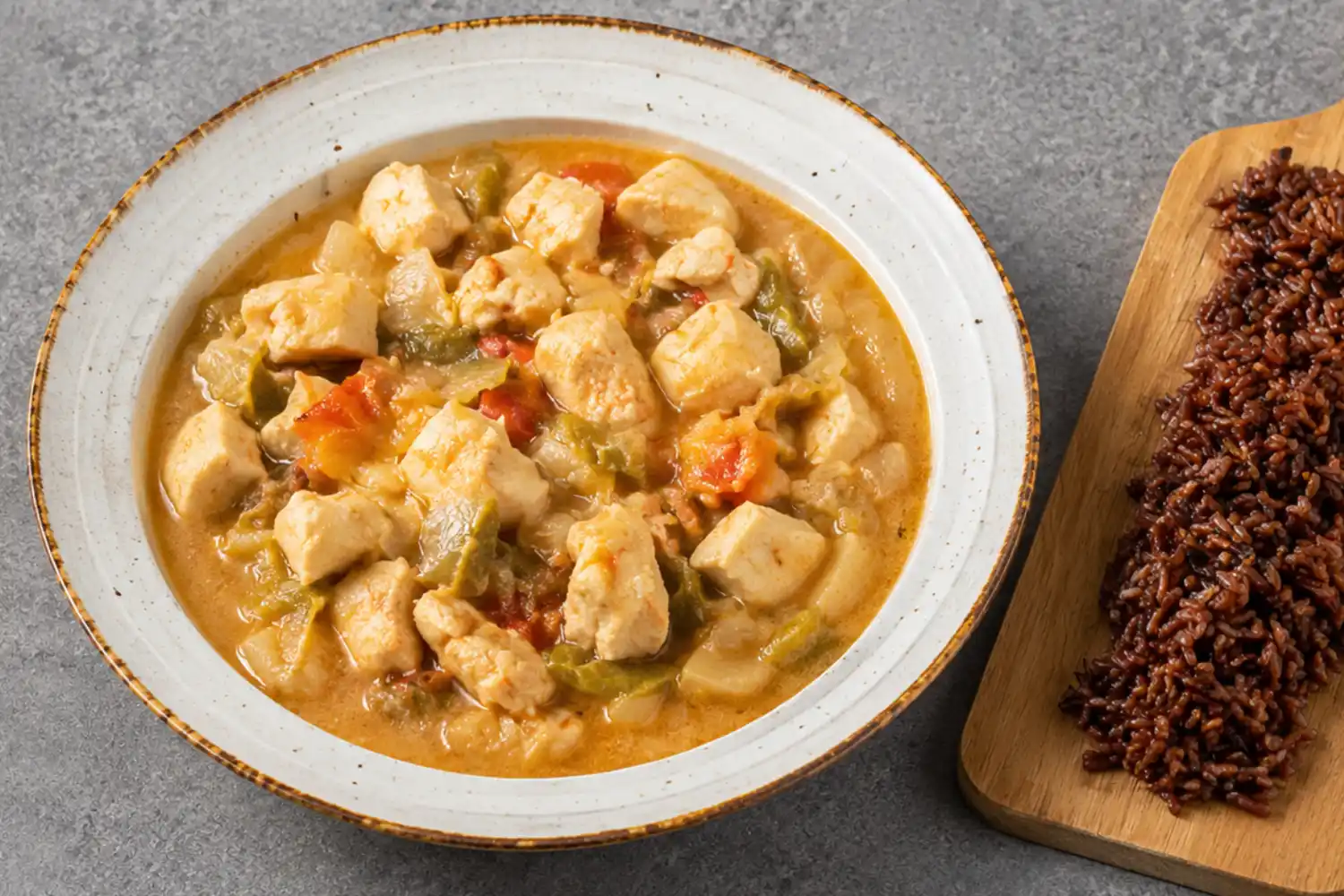
Jasha Maru – Spiced Chicken Stew: A lighter, tastier alternative to Ema Datshi made with finely chopped chicken, ginger, garlic, onion, etc. Jasha Maru gives the same warming effects as Ema Datshi but without the use of heavy oils. It’s a big favourite for wellness enthusiasts.
Suja (Butter Tea): A traditional Bhutanese beverage made from tea leaves mixed with salt and placed in a stability container with butter made from Yaks, later being mixed together in liquid form. This creates a very warm tea that provides an overall comfortable feeling, especially on cold mornings in the mountains.
Ara: The pure spirit made by distilling fermented rice, maize, or buckwheat into a very potent drink. It is typically consumed hot with a poached egg and is considered to be the drink of celebration and togetherness.
Meals are a communal experience and culturally significant in Bhutan. They are typically served on large trays and eaten from the centre of the table; everyone can see what everyone has to eat. Eating together encourages the social aspect of sharing, creating time spent together as a family and a community.
A typical meal will have three main elements: rice (which will be red), a spicy vegetable stew (such as Ema Datshi), and some sort of protein (usually meat or cheese). Food is not just a source of nourishment, but represents hospitality and community.
To truly appreciate the full range of Bhutanese cuisine, the best season to eat Bhutanese food is the festival season. Travel to Bhutan in Spring (March – May) or Autumn (September – November) to experience the full extent of the festivals, and at the same time to enjoy the perfect weather while travelling throughout Bhutan’s rich culinary landscape.